
If no one has checked your boiler in the last year, you could be due for a surprise. An annual boiler tune-up is one of the cheapest ways to avoid a breakdown in the middle of January. A tune-up is not just someone glancing at the unit and walking away. It is a specific set of checks. Those checks catch small problems before they turn into a cold house or an avoidable repair bill.
Homeowners in Bergen County often ask what actually happens during one of these visits. They also want to know why it matters when the system seems to be running fine. Here is what gets checked and why each step counts.
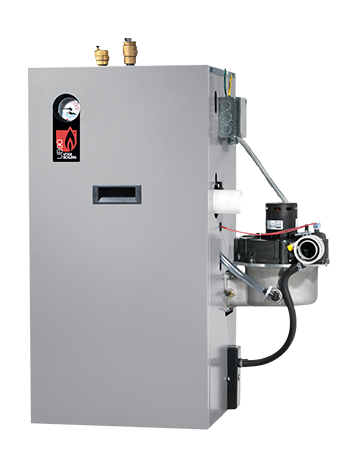
What an annual boiler tune-up actually covers
An annual boiler tune-up starts with a visual inspection of the whole system, not just the boiler itself. That means checking the burner, the heat exchanger, the venting, and the controls. Because a boiler is a closed system, a technician also checks water pressure. The technician also looks for any signs of a leak around valves, unions, or the expansion tank.
After that, a gas analyzer tests the combustion to confirm the burner is firing cleanly and efficiently. A dirty or poorly tuned burner wastes fuel and can produce more carbon monoxide than it should. So this step is as much about safety as it is about efficiency.
Why the heat exchanger and flue get special attention
The heat exchanger is where the actual heat transfer happens. It is also where soot, scale, and corrosion tend to build up over time. A buildup here reduces efficiency and can shorten the life of the unit. As a result, cleaning or at least inspecting the heat exchanger is a standard part of any real tune-up.
The technician checks the flue and venting too. A blocked or damaged vent can let combustion gases back up into the house instead of venting outside. That is a safety issue first and an efficiency issue second.
Controls, safeties, and water-side checks
Next comes the electrical and control side. That includes the thermostat response, the aquastat or control board settings, the low water cutoff, and the pressure relief valve. These safeties exist to shut the system down before something fails badly. So the technician needs to test them, not just glance at them.
On the water side, the technician checks system pressure and bleeds trapped air from the lines if needed. The technician also checks the expansion tank. Low pressure or trapped air is a common reason a boiler short-cycles or a radiator stays cold. Catching it during a tune-up avoids a service call later.
When to call a plumber instead of waiting
A tune-up follows a set schedule, before anything goes wrong. However, if you notice banging noises, a pilot light that won’t stay lit, or uneven heat, call sooner rather than later. The same goes for a sudden spike in your gas bill.
Absolute Precision Plumbing & Heating handles boiler tune-ups, repairs, and installs across Bergen County, including Navien tankless and combi systems. Call (551) 257-6200 if you want a system checked before the cold really sets in.
Frequently Asked Questions
Related: Hot water boiler repair · More from our blog